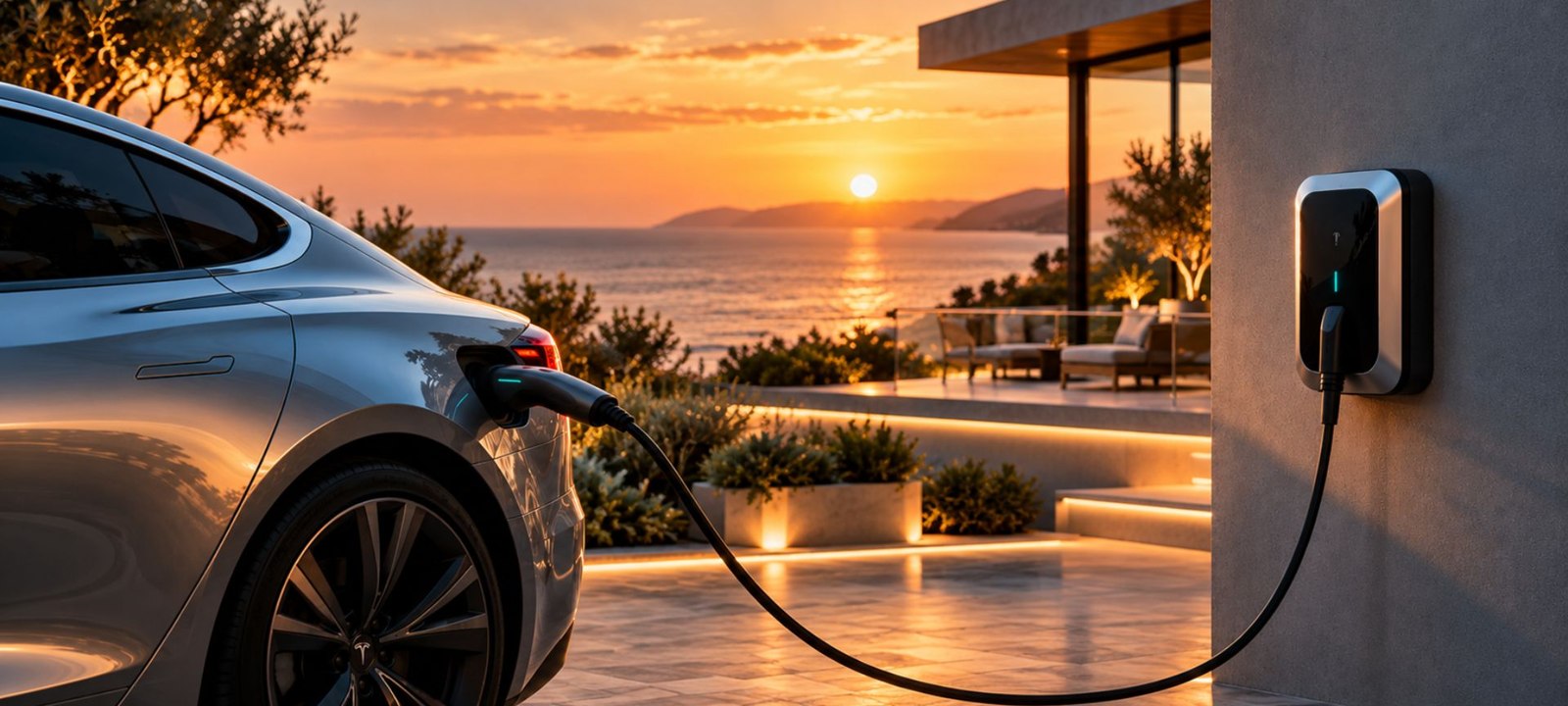
Most Tesla owners set up home charging once and never think about it again. That is fair enough, but a couple of small changes can take a real amount off your power bill without changing how you drive. Here is where the difference usually comes from.
Look at a time-of-use tariff
Many Australian retailers offer time-of-use plans, which charge less for electricity overnight (off-peak) and more in the late afternoon and evening (peak). A Tesla is one of the biggest loads in most homes, so moving that load into off-peak hours is where most of the saving sits. The gap between rates varies by retailer and state, so compare your own bill with the plans on offer. Energy Made Easy, or Victorian Energy Compare in Victoria, is a good place to start.
Let the car wait for off-peak
Tesla’s scheduled charging lets you choose when the car starts charging, or when it should be ready to leave. Set it to begin once off-peak starts and finish before your morning drive. Do it once and the car takes care of it every night.
Check what it actually costs
This is the step most owners miss. Without it, you are guessing whether the tariff change worked. Enter your peak and off-peak rates in CAILO Connect and every home charging session is priced at your tariff, alongside your Supercharger sessions and invoices. You can see what charging costs you each month, quarter or year.
The result
A clear picture of what your Tesla costs to run, and real numbers to compare before and after any change. If you work with a bookkeeper or tax agent, the records are there when they ask.
Give your Tesla a logbook that writes itself
CAILO Connect captures every trip automatically. 7-day free trial, cancel any time.
Start Free TrialGeneral information only, not tax, financial or legal advice. CAILO is not a registered tax agent, so speak to one before relying on this for a claim or return.